
FEEDING THERAPY
What is FEEDING THERAPY?
Feeding therapy helps children learn how to eat or how to become better eaters. A feeding therapist is either an occupational or speech therapist with extra training specific to feeding therapy.
At Sprocket, we use a holistic, bottom-up approach to target feeding skills,
which we believe maximizes the outcomes of our feeding program.
|
The way we see it - pre-feeding skills are the foundational skills necessary to engage in the act of eating (like coordination, strength and sensory processing abilities) and feeding skills involve the act of actually eating the food, which includes: tasting, chewing, swallowing, and digesting. Feeding skills can not succeed without a solid pre-feeding foundation. Therefore, an initial feeding evaluation (which might take more than one visit) will include an examination of a child’s feeding skills but also assess pre-feeding skills.
|
After the initial evaluation is completed, we will arrange follow up sessions for your child, which will likely consist of regular weekly appointments. Feeding therapy involves changing behaviors as well as acquiring new skills, which may require several months or more than a year to address. It is often necessary for us to address foundational pre-feeding skills prior to transitioning to a more formal feeding program, where we specially address eating skills. Therefore, during a feeding therapy session, a child may or may not actually be presented with food as they work to build the foundation necessary become a better eater. For example, they may do some sensory exploration, participate in an obstacle course, spend time on their tummy or might do some cooking or meal prep in the kitchen.
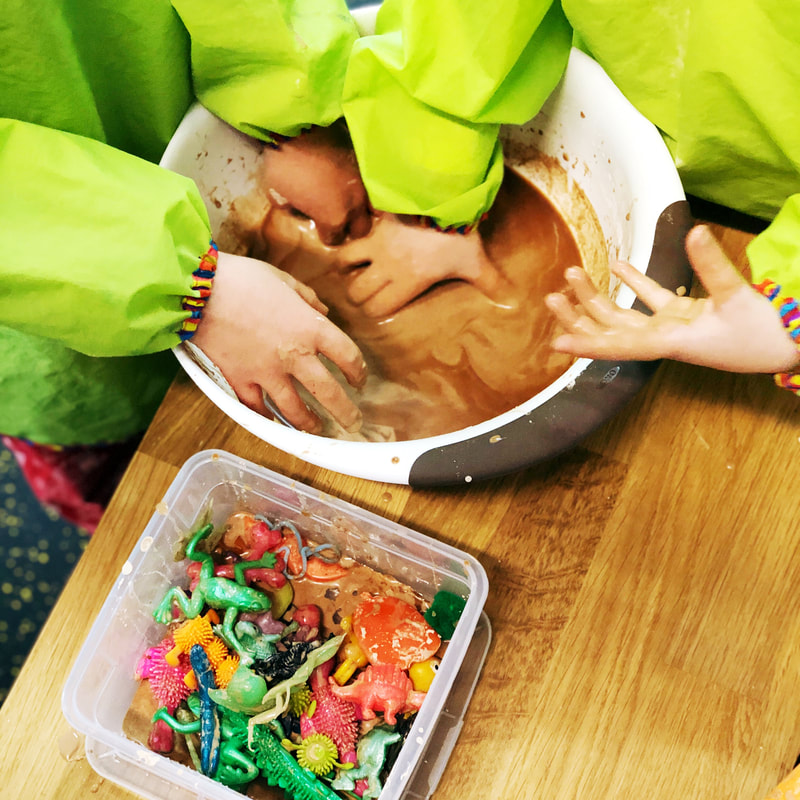
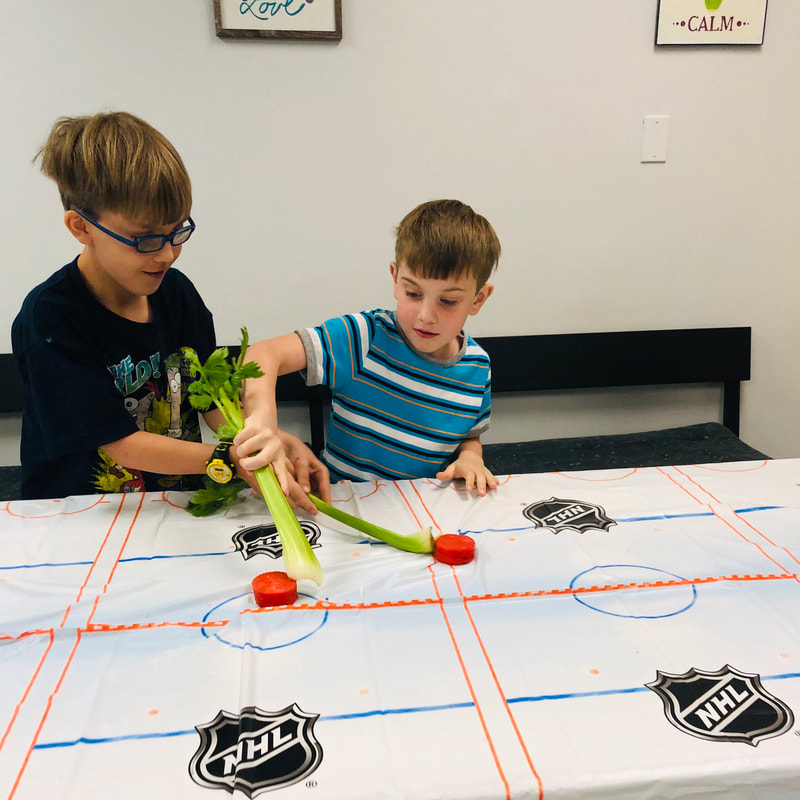
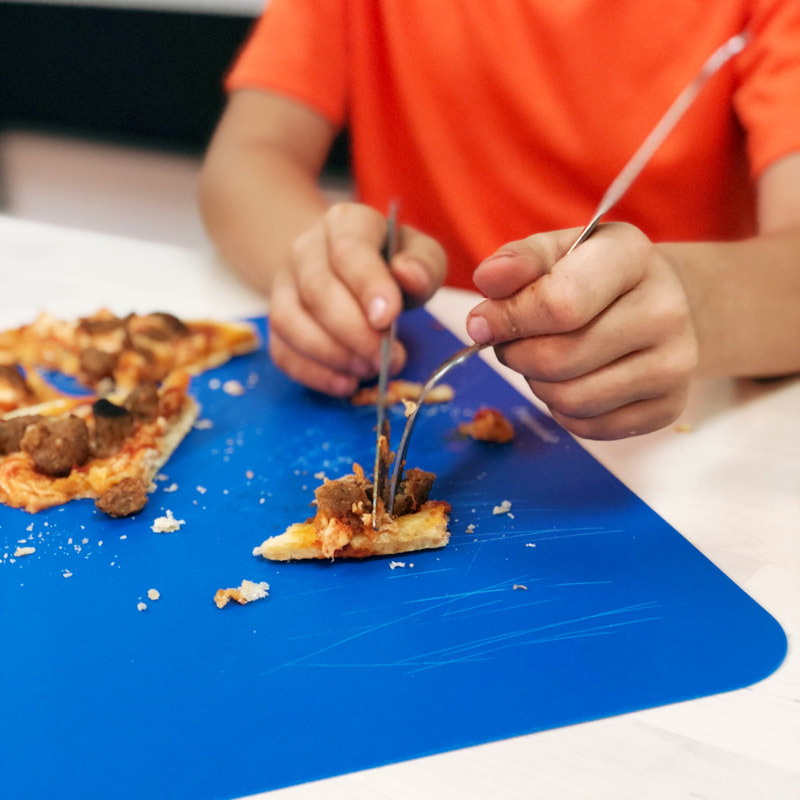
Our therapists also spend a lot of time getting to know each family and their personal meal styles and eating habits, so they can tailor each child’s feeding therapy program to meet the specific needs of the whole family.
Our goal is always to make mealtimes as safe, enjoyable and easy as possible
for each family that we work alongside.
for each family that we work alongside.
FEEDING THERAPY CAN HELP YOUR CHILD WITH THE FOLLOWING ISSUES:
|
|
Have questions? Unsure if your child needs feeding therapy?
Schedule a FREE 15 minute phone consult with one of our feeding therapists.
Please complete the questionnaire below.
We will contact you to schedule your FREE phone consult once we receive it.
Feeding Therapy referral form for medical providers

| feeding_therapy_referral.pdf |

|
Nashville: (615) 226 - 2840
Atlanta: (404) 946 - 0210 
|
Disclaimer: The information on this site should not be used as medical advice. Information on this site is intended to for educational purposes only. Sprocket Therapy Solutions, LLC does not claim responsibility for any injuries that occur as a result of the use of our products and/or educational information. User discretion is advised. Sprocket Therapy Solutions, LLC. Last updated January 2022.